Hello, this is Ito 🐸
I recently had the chance to exhibit at Ikanepalette in Tagawa City, Fukuoka, from August 8th to 25th.
Here’s an archive of that.
 山猫軒 on Instagram: "【告知】
山猫軒第一回企画展【お知らせ】
〈Date〉
2026年8/8(土)〜8/25(火)
〈Place〉
いいかねパレット内アーツトンネルGALLERY
(福岡県田川市猪国2559)
@artstunnel
〈Exhibition statement〉
はり紙、それは見るものに知らせる。
はり紙、それは見るものを阻害する。
はり紙、それは見るものを魅了する。
本企画展は概念としての、物体としてのはり紙が持つ「知らせる力」を拠り所として、芸術と社会をつなぐひとつの世界観そのものである。
恋愛という相補的作用を突き動かす、自己を他者に知らせる力。
社会生活を成立させるに至る、集団の行動を操作するための知らせる力。
そんな人間の持つ、圧倒的にはり紙的である物体、すなわち顔という存在の知らせる力。
そして顔をも含めた、人間存在——生成の奥行きを相互に映す皮膚というはり紙の知らせる力。
この展示であなたは見ることになろう。一体何を見るのか。いや、そんなことはさして重要ではない。「見ること=知らされること」「見られること=知らせること」という関係そのものが持つ逃走不可能な力を、私たちはあなたに否応なく体感させる。あなたはそれを、どのように受け取るだろうか。
“へい、いらっしゃい、いらっしゃい!それともサラドはお嫌いですか。そんなら火を起してフライにしてあげましょうか。とにかくはやくいらっしゃい!”
〈Artist〉
@kokiito_29
@komorebi_yurara
@machidori_chan
@phiar_____
※本展はアーツトンネル主催ではなく、貸しギャラリーでの開催です。詳細のお問い合わせは主催者様までお願いします。
山猫軒
@yamaneko_art
Flyer design:まちどりこのみ
Statement:∃x(“湯川結衣” ∈x∧ “John” ∈x)"90 likes, 0 comments - yamaneko_art on July 2, 2026: "【告知】
山猫軒第一回企画展【お知らせ】
〈Date〉
2026年8/8(土)〜8/25(火)
〈Place〉
いいかねパレット内アーツトンネルGALLERY
(福岡県田川市猪国2559)
@artstunnel
〈Exhibition statement〉
はり紙、それは見るものに知らせる。
はり紙、それは見るものを阻害する。
はり紙、それは見るものを魅了する。
本企画展は概念としての、物体としてのはり紙が持つ「知らせる力」を拠り所として、芸術と社会をつなぐひとつの世界観そのものである。
恋愛という相補的作用を突き動かす、自己を他者に知らせる力。
社会生活を成立させるに至る、集団の行動を操作するための知らせる力。
そんな人間の持つ、圧倒的にはり紙的である物体、すなわち顔という存在の知らせる力。
そして顔をも含めた、人間存在——生成の奥行きを相互に映す皮膚というはり紙の知らせる力。
この展示であなたは見ることになろう。一体何を見るのか。いや、そんなことはさして重要ではない。「見ること=知らされること」「見られること=知らせること」という関係そのものが持つ逃走不可能な力を、私たちはあなたに否応なく体感させる。あなたはそれを、どのように受け取るだろうか。
“へい、いらっしゃい、いらっしゃい!それともサラドはお嫌いですか。そんなら火を起してフライにしてあげましょうか。とにかくはやくいらっしゃい!”
〈Artist〉
@kokiito_29
@komorebi_yurara
@machidori_chan
@phiar_____
※本展はアーツトンネル主催ではなく、貸しギャラリーでの開催です。詳細のお問い合わせは主催者様までお願いします。
山猫軒
@yamaneko_art
Flyer design:まちどりこのみ
Statement:∃x(“湯川結衣” ∈x∧ “John” ∈x)". Instagram
山猫軒 on Instagram: "【告知】
山猫軒第一回企画展【お知らせ】
〈Date〉
2026年8/8(土)〜8/25(火)
〈Place〉
いいかねパレット内アーツトンネルGALLERY
(福岡県田川市猪国2559)
@artstunnel
〈Exhibition statement〉
はり紙、それは見るものに知らせる。
はり紙、それは見るものを阻害する。
はり紙、それは見るものを魅了する。
本企画展は概念としての、物体としてのはり紙が持つ「知らせる力」を拠り所として、芸術と社会をつなぐひとつの世界観そのものである。
恋愛という相補的作用を突き動かす、自己を他者に知らせる力。
社会生活を成立させるに至る、集団の行動を操作するための知らせる力。
そんな人間の持つ、圧倒的にはり紙的である物体、すなわち顔という存在の知らせる力。
そして顔をも含めた、人間存在——生成の奥行きを相互に映す皮膚というはり紙の知らせる力。
この展示であなたは見ることになろう。一体何を見るのか。いや、そんなことはさして重要ではない。「見ること=知らされること」「見られること=知らせること」という関係そのものが持つ逃走不可能な力を、私たちはあなたに否応なく体感させる。あなたはそれを、どのように受け取るだろうか。
“へい、いらっしゃい、いらっしゃい!それともサラドはお嫌いですか。そんなら火を起してフライにしてあげましょうか。とにかくはやくいらっしゃい!”
〈Artist〉
@kokiito_29
@komorebi_yurara
@machidori_chan
@phiar_____
※本展はアーツトンネル主催ではなく、貸しギャラリーでの開催です。詳細のお問い合わせは主催者様までお願いします。
山猫軒
@yamaneko_art
Flyer design:まちどりこのみ
Statement:∃x(“湯川結衣” ∈x∧ “John” ∈x)"90 likes, 0 comments - yamaneko_art on July 2, 2026: "【告知】
山猫軒第一回企画展【お知らせ】
〈Date〉
2026年8/8(土)〜8/25(火)
〈Place〉
いいかねパレット内アーツトンネルGALLERY
(福岡県田川市猪国2559)
@artstunnel
〈Exhibition statement〉
はり紙、それは見るものに知らせる。
はり紙、それは見るものを阻害する。
はり紙、それは見るものを魅了する。
本企画展は概念としての、物体としてのはり紙が持つ「知らせる力」を拠り所として、芸術と社会をつなぐひとつの世界観そのものである。
恋愛という相補的作用を突き動かす、自己を他者に知らせる力。
社会生活を成立させるに至る、集団の行動を操作するための知らせる力。
そんな人間の持つ、圧倒的にはり紙的である物体、すなわち顔という存在の知らせる力。
そして顔をも含めた、人間存在——生成の奥行きを相互に映す皮膚というはり紙の知らせる力。
この展示であなたは見ることになろう。一体何を見るのか。いや、そんなことはさして重要ではない。「見ること=知らされること」「見られること=知らせること」という関係そのものが持つ逃走不可能な力を、私たちはあなたに否応なく体感させる。あなたはそれを、どのように受け取るだろうか。
“へい、いらっしゃい、いらっしゃい!それともサラドはお嫌いですか。そんなら火を起してフライにしてあげましょうか。とにかくはやくいらっしゃい!”
〈Artist〉
@kokiito_29
@komorebi_yurara
@machidori_chan
@phiar_____
※本展はアーツトンネル主催ではなく、貸しギャラリーでの開催です。詳細のお問い合わせは主催者様までお願いします。
山猫軒
@yamaneko_art
Flyer design:まちどりこのみ
Statement:∃x(“湯川結衣” ∈x∧ “John” ∈x)". Instagram
About this exhibition
This exhibition brought together four members from a community called Yamanekoken (Wildcat House), each showing their own work.
You can find more about the community here.
 山猫軒開店のお知らせ|山猫軒山猫軒は、芸術、美術、批評、文学、哲学など、様々な創作、人文学を愛する方を歓迎いたします。 読書会を開く。作品について批評しあう。哲学対話を行う。集団展示を行う仲間を見つける。 使い方はあなたに委ねられています。 「どなたもどうかお入りください。決してご遠慮はありません。」 山猫軒とは 山猫軒は、このコミュニティを運営する私自身の悩みからスタートしました。 私は普段働きながら、創作活動を行なっています。2025年は個展をしたり、ダンスを踊ったり、文章を書いたり、様々なことをしました。 2026年も引き続き展示を行なったり、古本屋を始めようとしたりしています。 ひとりで黙々とnote(ノート)
The theme was “Notices” (Harigami — posted signs/notices). Each member created work along that theme.
As it happens, the Arts Tunnel gallery at Ikanepalette has four walls, so the exhibition ended up with each member taking charge of one wall.
About my own piece
Bio
Koki Ito
Despairing at the unnaturalness of everything converging into cities, he moved to Tagawa City, Fukuoka. He’s based at “Ikanepalette.”
He currently works as an IT engineer while also serving as staff at the community space VIVISTOP HAKATA, running educational activities that connect community through making things. Through that work he’s been researching the “sense of comfort” he’s noticed emerging there, and aims to present it as an experience through exhibitions and eventually implement it in society.
Work
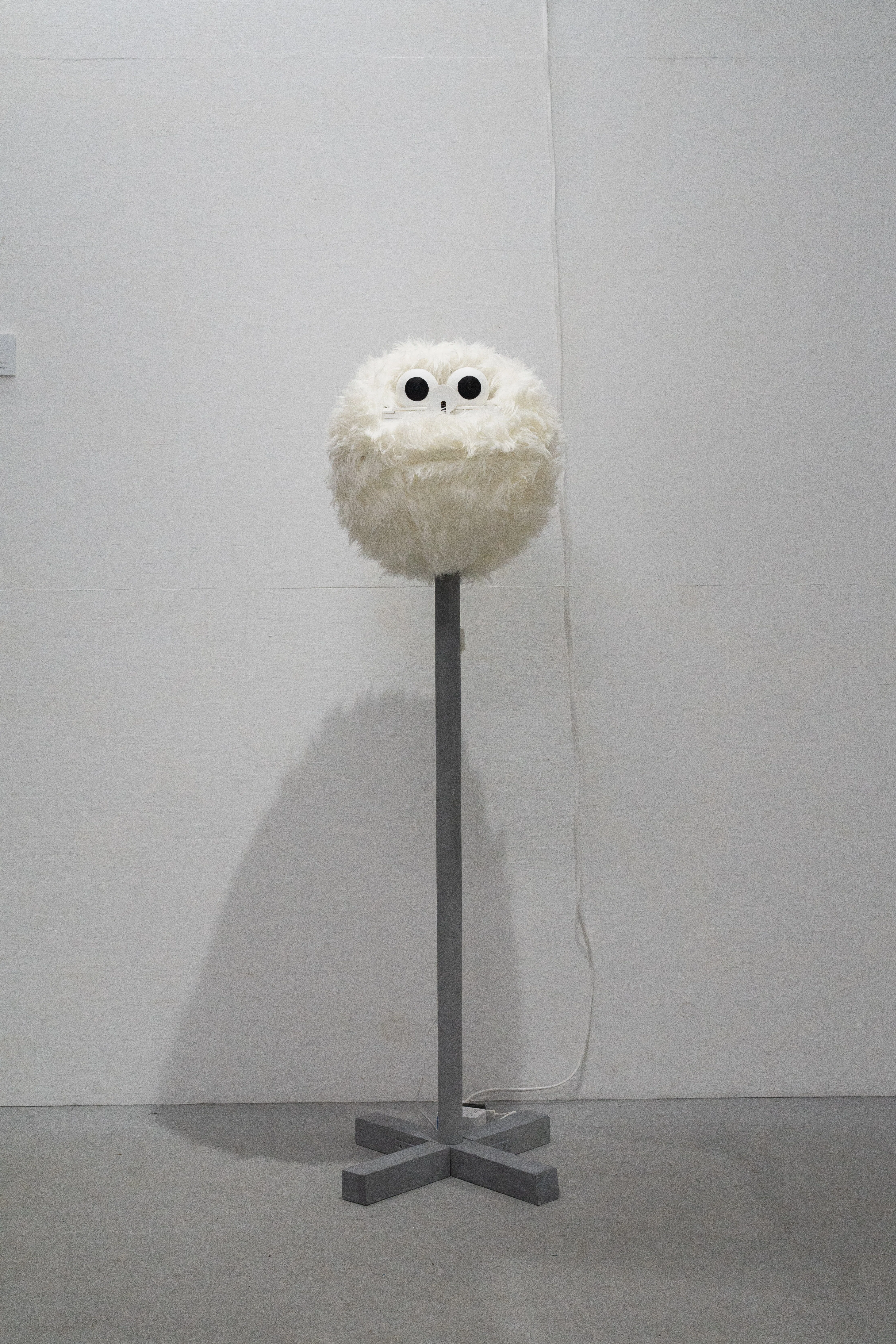
“Notices That Answer Back”
A notice is something that intervenes in your behavior.
“This tree is 100 years old.” “Take care of your skin.” “Don’t litter.” “A neighbor is growing flowers here.” “If this face rings a bell, call 110.” — all kinds of notices exist. A notice conjures up a phantom image inside the reader, and through that phantom it influences their behavior.
Sometimes it restricts behavior so much that it makes a space uncomfortable; other times it plants a lovely phantom that makes a space feel comfortable. Perhaps even the person who put up the notice is imagining some phantom of their own.
Society is a space where the behaviors of many different people answer back to one another, and whether a place feels comfortable or not shifts within that relationship between society and behavior.
The moment you notice that the thing you thought you were just looking at is looking back at you — that’s not confrontation, but the birth of a small dialogue. When enough of those exchanges accumulate, the relationship between the individual and society might gain a little more texture, a little more to hold onto. I believe a comfortable world grows out of exactly that kind of chain of small, answering exchanges.
The background behind making this
For context on my own path: I joined an IT startup in Tokyo straight out of university and lived there for four years, and I’m now in my third year living at Ikanepalette in Fukuoka.
When I started working in Tokyo, it was April 2020 — right when COVID restrictions on commuting were starting. Back then my mindset was that I could do anything as long as I just pushed through hard enough.
While gaining experience at the startup, I wanted to become someone capable of creating my own work, to become an independent creator in my own right. In other words, I wanted a lifestyle where I gained experience at the IT startup while also making my own creative work on the side. Because of that, I wanted to spend as much of my private time as possible holed up at home making things.
But in the end, I ended up in a state where I couldn’t do anything at all.
At first, despite the stress, I managed to push through on pure adrenaline. I was working late into the night.
But at some point, I became unable to sit in a chair and focus on work.
By the end, even the wait at the dentist’s reception was painful — I couldn’t sit still in a chair.
I was fully in the grip of depression. More precisely, bipolar disorder — a condition of cycling between manic and depressive states.
Looking back now, I think the spark for the bipolar disorder had always been there. I had a habit of pushing myself, running on full adrenaline, putting out 120% power to force a solution — and then collapsing in a wreck once it was over. But that habit had only been sustainable because of various conditions: my parents and friends quietly supporting me, being in a city I knew well, and so on.
In an unfamiliar city, and one as fiercely competitive as Tokyo, I inevitably hit my limit.
So I decided to leave Tokyo. I came across Ikanepalette, felt I could build a stable life there, and ended up moving.
Once I actually lived there, it really was comfortable.
The climate is good, and there are so many genuinely caring people. Compared to the city, where you have to solve everything with money, there are other means available here — someone giving you work, someone sharing food with you — and those simple things really did stabilize my life.
That said, I also think a place like Ikanepalette provides, for free or cheap, things that could reasonably be sold as paid services — which means it’s not really operating in a sustainable way. Even so, I’ve come to sincerely wish that places like this could keep existing, as a refuge from the relentless pressure to turn everything into a service and chase money.
For this exhibition, I wanted to express “a sense of comfort” through my work. I defined comfort as whether an individual feels they fit within the social rules set by the community they belong to. And I figured those rules themselves are shaped, bit by bit, through the accumulation of exchanges between individuals.
For example: someone litters. Someone who notices puts up a sign banning littering. Then someone who sees that sign thinks, “So there really are a lot of people littering here,” or “How stifling, that they even had to make a rule against littering.”
This time, by simply building a robot that sends a glance your way, I wanted to express that accumulation of communication between the robot and the viewer.
Ideally the piece would have appealed all the way through to the comfort of Ikanepalette itself, but in the end it took the form of expressing the very subject matter of thinking about “the atmosphere of a place.”
What I noticed
While doing this exhibition, several people were kind enough to share their thoughts on my piece, and those comments were a huge help in shaping where I want to go next.
One of my strengths, I think, is the sheer range of tools I can use. When it comes to making and expressing things, I have a lot of tools and methods at my disposal — digital tools like laser cutters and 3D printers, but also a bit of woodworking and sewing.
Another is that I’m interested in spaces that change through the act of making and through practice. I’ve always loved running workshops, and with this piece too, rather than just having people look at it, I got real satisfaction from a piece that responds and moves the viewer, affecting the space around it. It makes me happy when the phenomenon I trigger makes life a little easier for the people who respond to it.
What’s next
With this exhibition, I’ve now finished everything on my “ready to act on right away” list.
Roughly speaking, here’s what I wanted to do since moving to Ikanepalette:
- Show my own work in an exhibition
- Support community activities through making things (VIVISTOP HAKATA, Arts Tunnel)
- Get my own event off the ground for the first time (the Hebocon workshop)
As for what comes next, I’ll spend the rest of the year figuring that out while giving a little back to the people who’ve been involved.
I do have a rough direction in mind, so let me note it down here.
Up until now, I’ve been lucky enough to hitch a ride on other people’s causes I could get behind. In the VIVISTOP and Ikanepalette scene, there are people I really respect, and I’ve already gotten to take part in projects they were running. I enjoyed being in an environment where I could just throw myself into a project.
From here, I want to start gradually tackling the bigger problems I want to solve — the ones I’d been closing my eyes to and pretending not to see. That said, I’m not talking about suddenly founding a company and going all in. I mean a project separate from client work, one I can take on at my own pace.
I think I’m just the type of person who can’t feel truly engaged with life unless I have at least one project tackling a problem the current market economy can’t handle — something that doesn’t make money but is fun to work on solving.
The world I was born into is genuinely rich and beautiful. I have real pride in the fact that so many rich experiences and a stable life have been made possible by the people around me. Japan, for instance, still has so much — nature, economy, art — thanks to the various efforts of those who came before us.
I want to properly hand something this rich down to the generations after us.
Once I started thinking that way, a problem came into view.
There are all kinds of factors threatening people’s lives — environmental problems, wars breaking out, people unable to belong to a community.
And yet, within this market economy, the mechanisms for improvement feel weak when it comes to environmental problems, war, and community.
I think the cause of that is that the problems that need solving haven’t really been framed as problems, and that not enough people have been drawn into caring about them.
Since it’s hard for people to take an interest in root causes like that, I’ve been wondering whether I, too, could research them and express them through something like an exhibition.
Fortunately, when it comes to making things, I find I have an endless well of interest. I feel like there’s something I can do here.
As a model case, there’s an inventor and designer I admire named Kosuke Takahashi. I love his projects, and one I got to be a little involved with is a product called Corcelian.
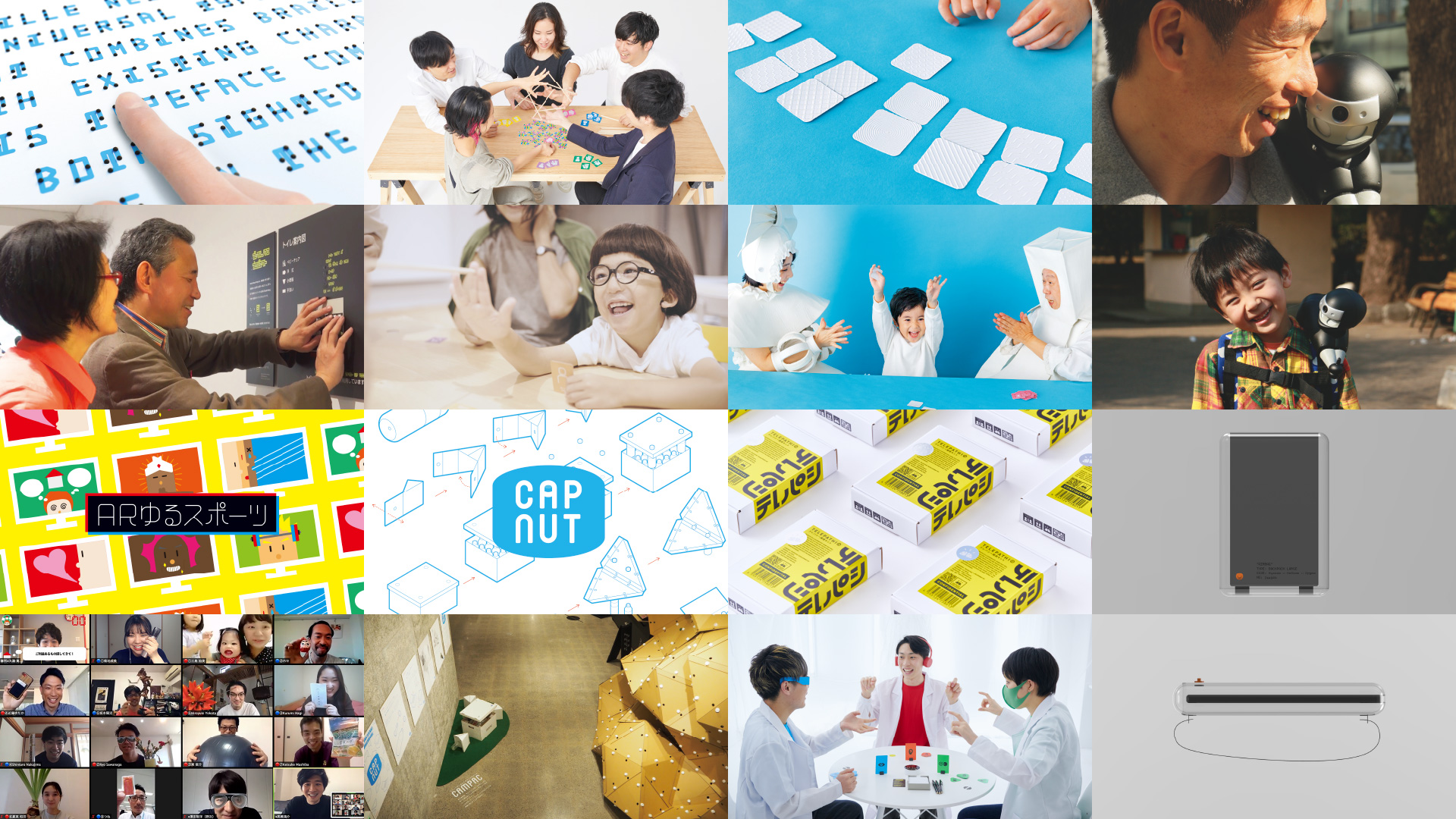 高橋鴻介 — 発明家 / デザイナー1993年、東京生まれ。異なる文化や人の間によい関わりを生みだすためにデザインと発明を行っている。主な発明品に、点字と文字が一体になった書体「Braille Neue」、顔の筋肉を使ったスポーツ「Facial Sports」など。wired AUDI INNOVATION AWARD にて、日本のイノベーター20人に選出。受賞歴にグッドデザイン賞、日本サインデザイン賞、中国DIA Award など。高橋鴻介
Corcelian is a piece of pottery with a screw thread built into its base. Thanks to that, you can attach 3D-printed parts onto it. It’s a mechanism that lets you freely add your own ideas onto a traditional craft like pottery.
I was really inspired by that idea. For the “important but hard to get people interested in” problems I mentioned earlier, I started thinking it’d be great to create something like Corcelian’s screw thread — a kind of receptacle that makes it easy to connect other ideas onto it.
I decided I want to learn how to make my own version of that screw thread.
Coming up, I’ll be taking part in an event in the Netherlands called Dutch Design Week. It’s a huge event — for around ten days, exhibitions take over the entire city.
It takes on sustainability issues through design, and favors an experimental style that raises questions rather than chasing commercial appeal — which feels close to what I’m aiming for myself right now.
By taking part in Dutch Design Week, I want to give my future direction more concrete shape.
I’ve also been thinking that being the kind of artist who presents social issues in a unique, even silly way sounds pretty good.
I’ve also had my eye on a team called CREAM ON CHROME.
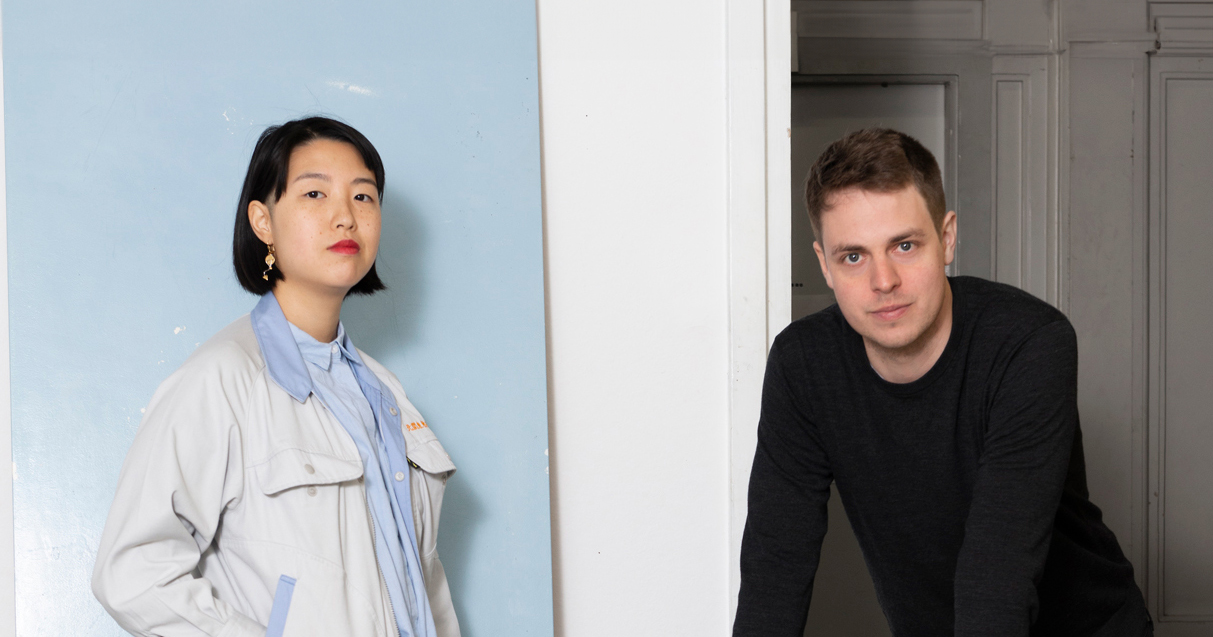 CREAM ON CHROMEDesign studio Cream on Chrome seeks to involve people into pressing questions of our times. Putting the focus of our work on interaction, we manage to make even wicked socio-political questions intuitive and fun to explore. By designing phygital spaces, custom-machines and interactive experiences we bridge the political with the everyday — for an enlightened and delighted society.CREAM ON CHROME
Rather than locking myself rigidly onto one goal, I want to keep engaging with all kinds of people and let things flow in a good direction. I’d love to be able to give something back to everyone along the way.